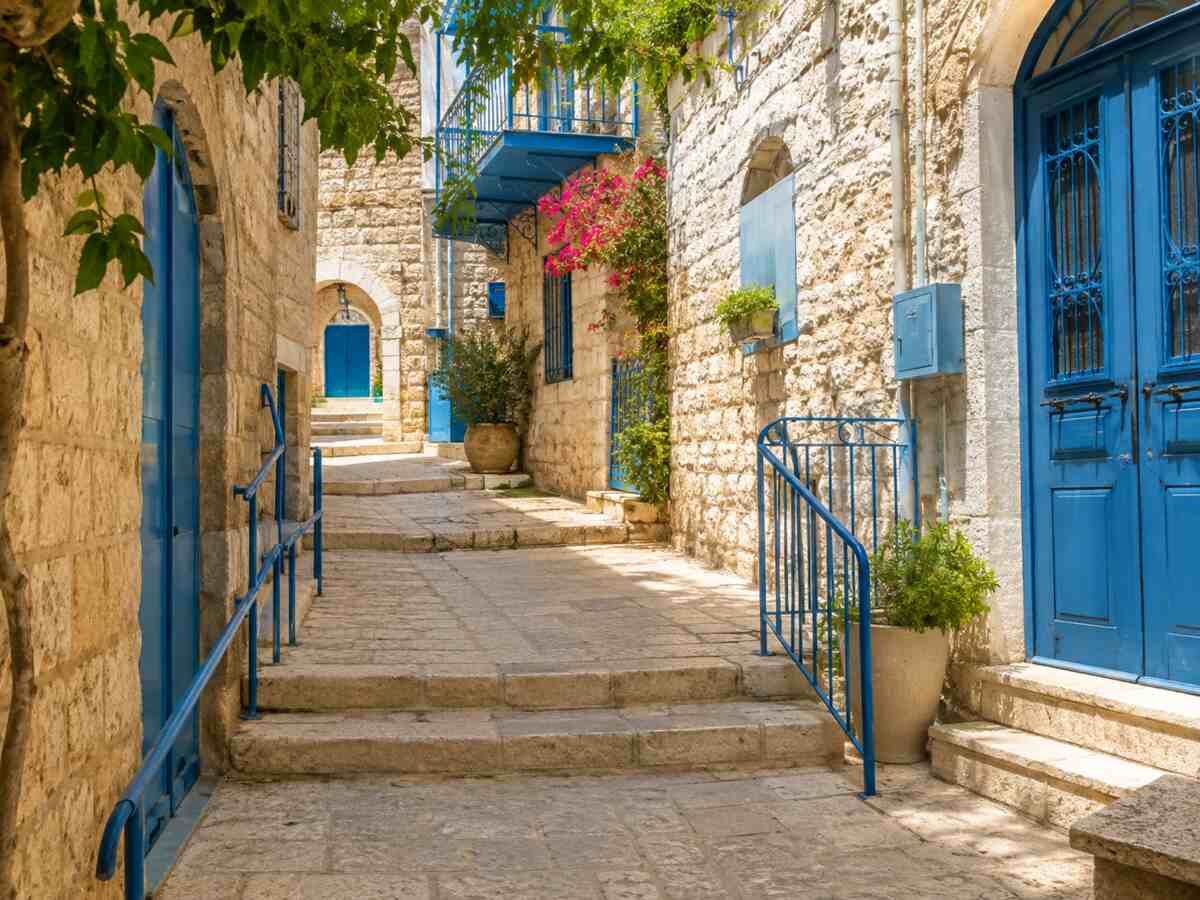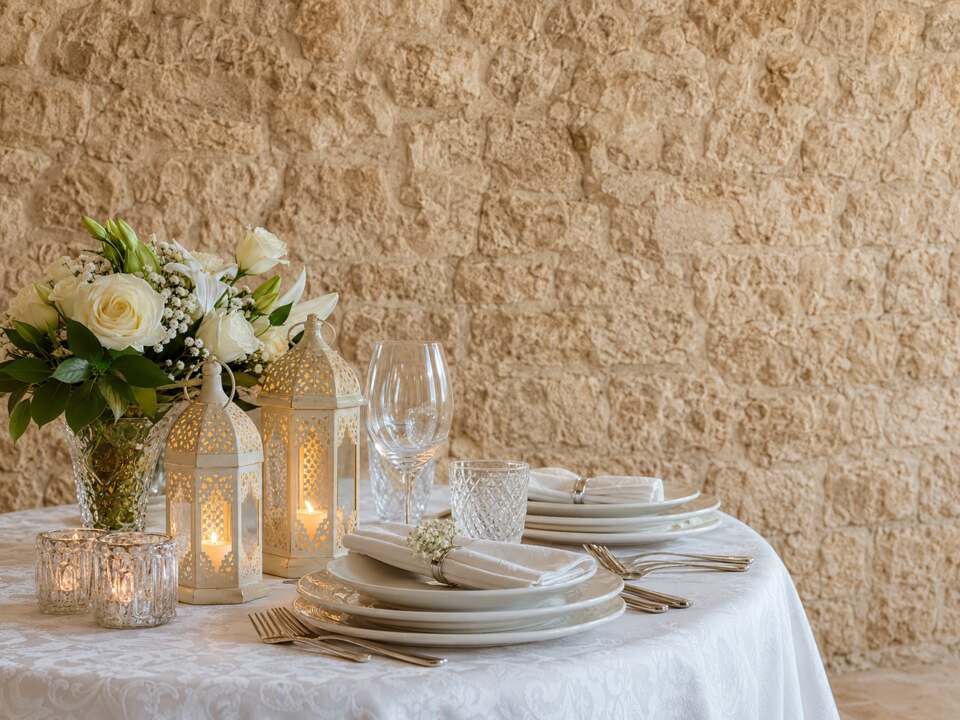
An extended family gathering in Safed, whether a Shabbat chatan or a milestone birthday for a grandfather, is the kind of occasion that stays with people for years. The atmosphere of the Old City, the Safed spirit and the view do half the work. But, and it is a considerable but, that charm comes with a real logistical challenge. The narrow alleys, the climbs and the unusual topography of the city mean you have to think differently from an ordinary event at a hotel or a villa in the centre of the country.
The great secret to making an occasion like this work is to gather everyone in one complex that offers private suites on the one hand and generous shared spaces on the other. That way everyone stays together, the sense of occasion is at its height, and you spare yourself the running about and endless coordination between streets.
First stop: mapping what the family actually needs
Before you rush to fix dates and choose rooms, the first practical step is to understand who is who. A family occasion in Safed usually brings together three generations: grandparents, married siblings, teenagers and small children. Each of those groups needs something quite different. Getting this wrong at the start is the single biggest source of misunderstanding later. Sit down with a pen and paper and work it through.
Running the kitchen
Whether it is full Shabbat meals or a single celebratory dinner, the kitchen in a complex needs a clear method if it is not to descend into chaos. The most effective approach rests on a sensible flow, and on separating the storing and heating area from the serving area.
Before you arrive, make sure the complex has refrigerators large enough to hold everything you have brought from home or ordered from a local caterer. For a Shabbat chatan or a traditional occasion, check in advance that there are enough large Shabbat hotplates and urns for the number of people you are bringing.
A practical recommendation: do not leave the food to chance. Appoint one person in the family to take charge of the catering logistics — someone who knows when to switch the hotplates on, when to bring the food out and when to lay the buffet. That alone stops ten people crowding into the kitchen at once and getting in each other’s way.
Parking, unloading and getting about the alleyways
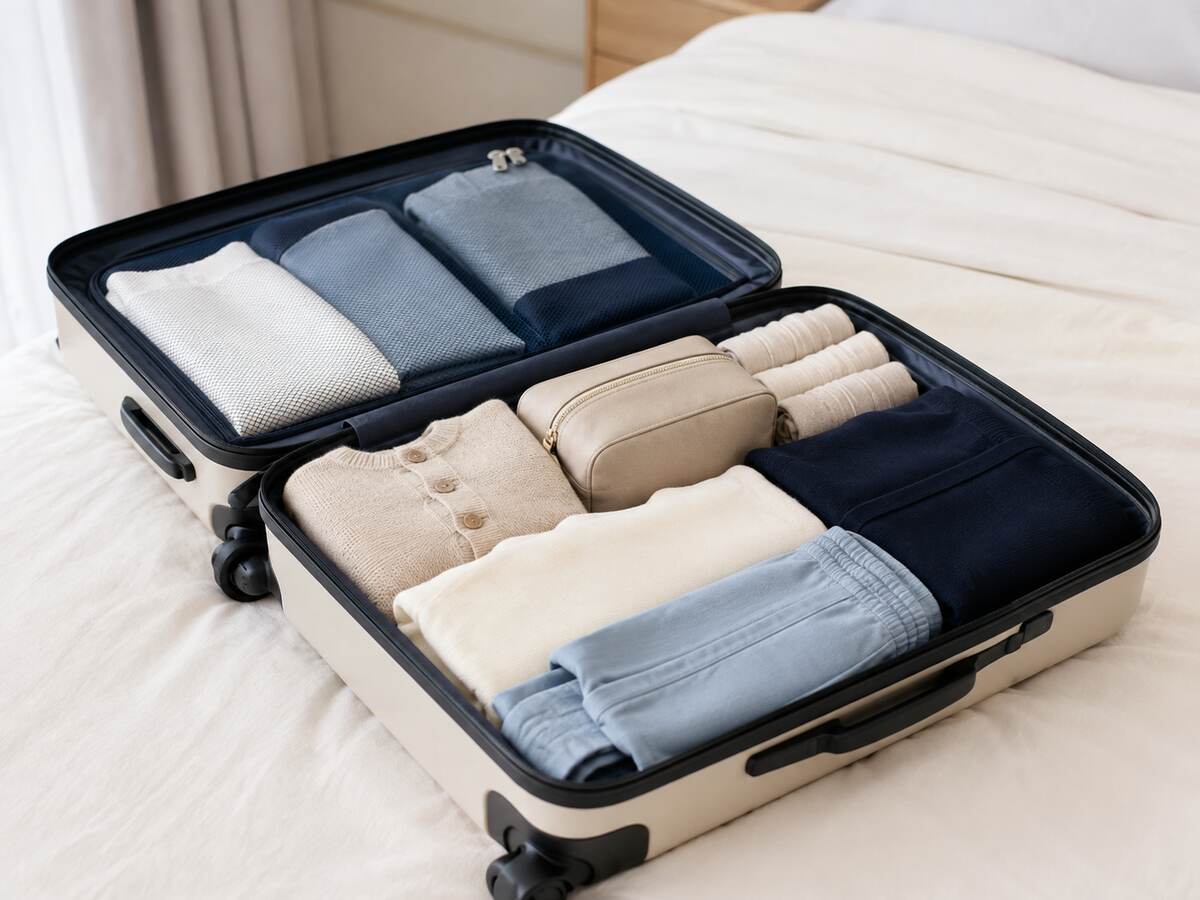
Safed’s authentic beauty comes with a standing physical challenge: in most of the old quarter there is no direct vehicle access to the door. So that your guests do not begin their holiday frustrated, work to a plan.
Concentrate the unloading: agree a defined arrival window with everyone. One or two cars bring the bulk of the equipment at a set time, and the rest arrive afterwards.
The pace is part of it
Time for the view and for rest is not wasted time. That unhurried rhythm is an inseparable part of the Safed experience, and it is what turns an occasion from pressured and tiring into restful and binding.
Hosting a group in one complex: what you gain and what to watch
| What you gain | What to watch |
|---|---|
| Everyone together: the family meets in the courtyard, the children play together, and conversations run late into the night without anyone having to drive home. | Pressure on the shared spaces: if everyone tries to make coffee or use the main kitchen at the same moment, it will feel crowded. |
| Real saving: gathering the occasion in one complex lets you bring in outside catering or cook yourselves, which avoids the high cost of event halls or fixed hotel menus. | Arrival takes planning: reaching the alleyways means a short walk and a concentrated unload, unlike a modern hotel with underground parking and a lift. |
| Complete flexibility: you set the timetable. No dining room closes at a fixed hour, and the complex is yours alone, with no strangers passing through. | The rooms are not identical: these are authentic Safed buildings, so the suites differ in design and size, which means dividing them up carefully in advance. |